How to Plan an Outdoor Event on a Budget

You can host an outdoor event that feels special without spending more than you planned. The secret is to start early, set a realistic limit, and make a few smart choices that stretch every dollar. With a clear plan, you can give guests a comfortable, memorable experience and still keep your costs under control. Strong event planning reduces stress and helps you focus on what your guests will enjoy most.
Setting Your Event Budget from the Start
Think of your budget as the roadmap for everything that follows. Before you choose a date or a theme, decide on a total amount you are comfortable spending and divide it across the big categories. Most outdoor events place the largest share on rentals and supplies, followed by food and beverage, then venue rental or permits, décor, entertainment, and a small buffer for surprises. Adjust those ranges based on your guest count and the kind of experience you want to create.
A helpful way to begin is to set a per-guest target. If you plan to invite 60 people and your total budget is $1,800, you have about $30 per guest to work with. That simple number supports event budgeting decisions. Upgrading chairs or linens may be worth it if you keep the menu simple. Adding more guests increases event expenses in multiple categories, not just food, so confirm your headcount as early as you can.
Event management stays smooth when you track spending from day one. Create a simple worksheet that lists line items for venue, rentals, décor, food and beverage, audio-visual equipment, permits, and incidentals. Enter estimates and update the actual totals as you book vendors. This habit gives you better financial control and helps you see where tradeoffs make sense.
Identify Must-Haves vs. Nice-to-Haves
List the essentials first. For most outdoor events that includes a safe and accessible space, weather protection or shade, seating, tables for food and gifts, lighting if it runs into the evening, and a basic plan for food and drinks. Once you price the essentials, look at items that enhance the look or add entertainment. A few well-chosen details have more impact than a long list of extras. If you are under budget after the must-haves, add one or two upgrades that guests will actually notice, such as simple centerpieces or a small speaker for music.
If you are working with an event planner, ask them to review your priorities and confirm that each upgrade aligns with guest comfort or your event marketing goals. If you are handling everything yourself, use the same test. Does this choice improve the experience, or is it just adding cost?
Track Every Expense
Pick one place to log costs and keep it updated. A simple spreadsheet works well. Record the estimate, the actual amount, and when payment is due. Include small items like ice, fuel for pickup trips, batteries for lights, and cleaning supplies. Small purchases add up and can catch you off guard late in the process. Reviewing your tracker each week keeps you in control and helps you make tradeoffs with confidence.
Choosing the Right Outdoor Venue
Your venue has a direct effect on cost, comfort, and logistics. A backyard or private property can be the most economical choice if you have room for seating and a tent, along with access to power and restrooms. Public parks and community spaces are another strong option. Permit fees are often modest, and some locations include picnic shelters, built-in tables, and shade that reduce what you need to rent. Ask about capacity limits, tent rules, electricity, alcohol policies, parking, and any venue costs that could affect the budget.
When comparing spaces, include more than the rental fee. Factor in travel time, the distance from parking to the setup area, and whether the site has outlets for AV equipment. If the location includes visual equipment, sound systems, or basic technical support, you may be able to reduce what you rent. Visit the site at the same time of day as your event. Notice the path of the sun, windy spots, and any nearby noise. A venue that shortens the carry from vehicle to setup saves effort, which matters if you plan to pick up rentals yourself.
Saving on Rentals and Supplies
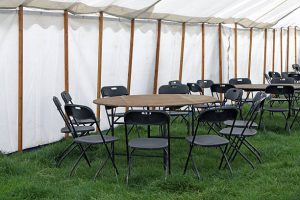
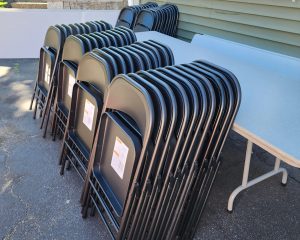
Tables, chairs, and tents form the backbone of any outdoor event, and they are often the largest controllable expense. Right-sizing your order is the simplest way to save money. Confirm your guest count early and choose a tent that fits your seating plan with a bit of room for a buffet or a small dance area. Standard options usually cost less and still look clean and polished. Classic white tents, durable folding chairs, and rectangular tables are easy to arrange and dress up with simple décor.
Keep linens strategic. Cover the food, beverage, and gift tables, then decide whether every guest table needs a full cloth or if a runner will do. Use décor to add personality rather than upgrading every rental. A few larger touches feel intentional and can cost less than decorating every surface.
If you are within driving distance of Rindge, NH, pickup-only rentals with a multi-day window can make planning easier and reduce fees. 603 Event Rentals, for example, offers a straightforward 5-day rental period. Picking up your order a day or two before the event and returning it after gives you breathing room on setup and teardown without paying for extra days.
Bundling Rentals for Discounts
Sourcing several items from one provider often leads to better pricing and simpler logistics. Ask about bundles that include a tent, tables, and chairs sized for your guest count. These packages are built around the most requested pieces, which helps you cover the basics without overbuying. See if you can swap a small item to match your layout and whether weekday pickup or return offers any savings.
DIY Décor and Lighting
Handmade or repurposed décor can look polished when you keep the materials consistent. Greenery in simple jars, a neutral runner, and printed signs for menus or seating charts create a cohesive look with very little cost. For lighting, string lights along a tent perimeter add a warm glow, while solar stake lights help guests find paths after sunset. Use battery candles instead of open flame under fabric. Ask your rental provider how to attach décor safely so you do not damage frames or tabletops.
If you plan any presentations or toasts after dark, consider basic AV equipment. A compact projector and screen or a small PA can help guests hear and see without a large outlay. Test the connections at home, bring spare cables, and confirm that your power source is close enough to avoid long runs. Simple visual equipment does more for guest experience than many décor upgrades.
Food and Beverage on a Budget
Simple menus scale well and reduce waste. Buffet or family-style service usually costs less than plated meals and speeds up the line. Choose one or two mains and a handful of sides that hold up well outdoors. A taco bar, grilled meats with salads, or pasta with roasted vegetables can feed a crowd without a long ingredient list. You can also host a structured potluck by providing the mains and asking guests to bring sides or desserts in assigned categories. The key is to set expectations early and coordinate portions.
Local catering companies can be a smart middle ground between full service and DIY. Ask for a streamlined package that fits your headcount and service style, and confirm what is included so you do not duplicate rentals. Some caterers can supply basic AV equipment for announcements or toasts, which may save you from renting extra sound systems. Place the beverage station away from the food line to keep traffic moving. Label allergens clearly, keep hot foods hot and cold foods cold, and store plenty of ice in coolers for safety.
Weather Planning Without Extra Costs
Weather is the variable you cannot control, but you can plan for it without overbuying. Choose a date and time that match your local climate. Late afternoon or early evening can be cooler in the summer, while midday may be better in cooler seasons. If you expect sun but not rain, shade canopies and natural tree cover may be enough. If a shower is possible, sidewalls on a tent add protection from wind and light rain.
Create a simple backup plan that you can activate quickly. Decide where you will move food tables if rain begins and how you will consolidate seating to keep everyone dry. Pack a small kit with zip ties, tape that is safe for temporary use, paper towels, bug spray, sunscreen, and a basic first aid kit. Always secure tents and canopies with proper weights or stakes as allowed by the venue. A well-anchored setup handles passing weather far better than one that was rushed.
A Practical Timeline That Keeps You on Track
Six to eight weeks before your event, set the total budget, estimate the guest count, choose your venue, and reserve rentals for tents, tables, chairs, and any games or entertainment. Outline your menu and decide on your service style. At this stage, confirm power access if you need AV equipment for music, speeches, or slides.
About four weeks out, finalize your layout, confirm pickup and return times, and gather materials for décor and lighting. Plan your playlist and activities. Order nonperishable supplies and disposable service items. If you will use a microphone or projector, arrange a brief test with any vendor providing technical support to avoid last-minute surprises.
Two weeks before the event, confirm the final headcount, purchase shelf-stable beverages, print signage, and walk the venue area to confirm access to power and the path from parking to the setup area. Review your budget worksheet and make sure all line items have updated totals.
In the three to five days leading up to the event, pick up rentals if your provider offers a multi-day window, buy perishables, and stage décor so setup goes quickly. On event day, set the tent and seating first, then place food and beverage stations, check that AV equipment is working, add décor and lighting, and start the music.
After the event, sort trash and recycling, wipe and pack rentals as instructed, and return items on time to avoid fees.
Plan Your Outdoor Event with Confidence
A thoughtful plan helps you manage event expenses without losing the fun of the day. Focus on the essentials, track spending as you go, choose a venue that reduces extra rentals, and keep the menu and décor simple. Your guests will remember the experience more than the price tag.
If you are hosting in or around Rindge, NH, 603 Event Rentals can help you stretch your budget with pickup-only rentals, a simple 5-day rental period, and popular bundles of tents, tables, chairs, and games. Explore options that fit your guest count and style, then request a free quote to get started.