What Should I Consider When Hosting a Party at My House Instead of a Venue?
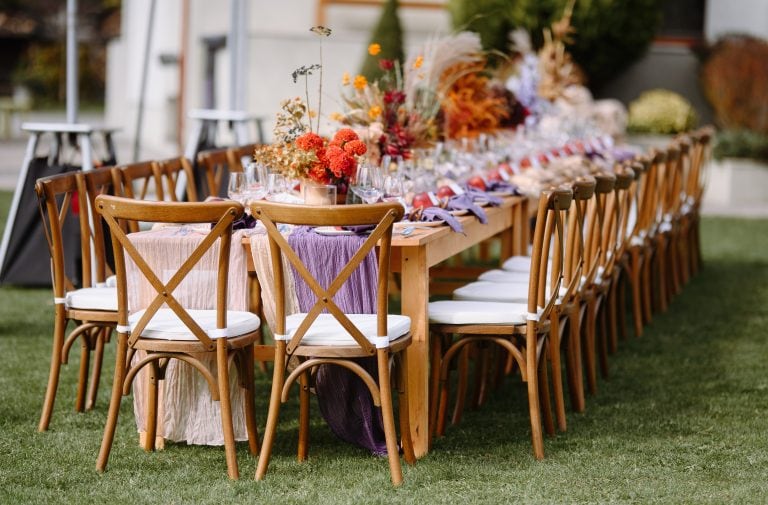
Hosting a party at home is appealing for a lot of reasons. You have flexibility with timing, more control over the layout, and often more freedom to personalize the event. It can also feel more relaxed and familiar for guests. But when you host at home, you’re not just the host anymore. You’re also the venue.
That shift changes how you need to plan. This guide breaks down what homeowners should consider when deciding between hosting a party at home or choosing a venue, with a focus on space, comfort, logistics, and realistic expectations.
Space and Guest Capacity
One of the biggest differences between a home and a venue is how space is used. Venues are designed to handle large groups, while homes are not. What matters most isn’t total square footage, but usable space.
At home, furniture, walls, landscaping, and pathways all reduce how many guests can comfortably fit. Outdoor areas may feel large until you account for seating, food tables, walkways, and shade. Indoor spaces may feel cramped once guests start moving around.
Good home-hosted events have clear zones. Seating areas, food stations, and gathering spaces should be distinct enough that guests can move without congestion. If people are squeezing past chairs or crowding into one room, the space is likely over capacity.
Comfort and Guest Experience
Venues are built for events. Homes are not, which means comfort has to be planned intentionally when hosting at home.
Seating, Tables, and Extra Chairs
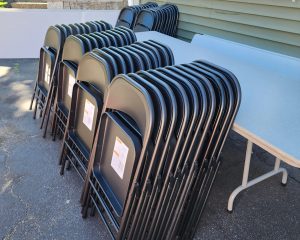
One of the most common mistakes homeowners make is underestimating seating. Venues automatically provide enough chairs and tables. At home, it’s easy to assume guests will stand, mingle, or sit wherever they can.
In reality, most guests want to sit at some point. Extra chairs matter more than people expect, especially for older guests, families, or longer events. Tables are just as important. Guests need places to eat, set drinks down, and gather without balancing plates on their laps.
When seating and tables are planned properly, guests relax. When they’re not, people leave earlier than expected.
Shade, Weather, and Temperature Control
Venues control temperature. Homes, especially outdoor setups, do not. Heat, sun, wind, and rain all affect guest comfort quickly.
Shade is essential for outdoor parties. Without it, guests cluster in the few cool spots or retreat indoors. Rain protection matters even when the forecast looks clear, especially for food and seating areas. Airflow also plays a role, particularly during summer events.
Comfort planning doesn’t need to be complicated, but it does need to be intentional. Ignoring weather considerations is one of the fastest ways to turn a good event into a stressful one.
Setup, Cleanup, and Time Commitment
Venues handle setup and teardown. When you host at home, that responsibility falls on you.
Tables, chairs, décor, food stations, and trash management all require time before and after the event. Cleanup doesn’t magically disappear when the party ends, and many homeowners underestimate how long breakdown takes.
Rentals help reduce this workload by providing ready-to-use items that fit together cleanly. Instead of borrowing mismatched furniture or improvising layouts, rentals allow you to plan efficiently and clean up faster.
Noise, Neighbors, and Timing
Venues are built to host noise. Homes exist in neighborhoods.
Sound travels farther than many homeowners expect, especially in the evening. Music volume, speaker placement, and event timing all matter. Parking is another consideration. Large guest lists can overwhelm street parking quickly.
Being proactive helps. Letting neighbors know in advance, setting clear end times, and planning music thoughtfully prevents issues and keeps the event stress-free.
Cost Comparison: Home vs Venue
Hosting at home can be more cost-effective, but only when it’s planned correctly. Venues charge a flat rate but include essentials like seating, tables, and restrooms.
At home, costs are spread out. Rentals, food, setup supplies, and cleanup all add up. The advantage comes from renting only what you actually need instead of paying for a full venue package.
Smart rental planning keeps costs under control while still delivering comfort. Over-renting wastes money, while under-renting leads to discomfort. Balance is what makes home hosting financially worthwhile.
When Hosting at Home Makes the Most Sense
Hosting at home shines in specific situations. Casual celebrations, flexible schedules, backyard gatherings, and events where personalization matters often work better at home than at a venue.
Home hosting also works well when guests will come and go, layouts need to change throughout the event, or outdoor space is a priority. When expectations are realistic and planning is thorough, home events can feel just as polished as venue-hosted ones.
Make Hosting at Home Easier With 603 Event Rentals
Hosting a party at home doesn’t mean sacrificing comfort. 603 Event Rentals helps homeowners bridge the gap between home hosting and venue-level organization with tables, chairs, tents, games, and event essentials designed for backyard events.
With a flexible 5-day pickup model, homeowners have time to set up, host, and clean up without rushing. When rentals are planned intentionally, hosting at home becomes simpler, more comfortable, and far less stressful for everyone involved.