How Do Rental Choices Impact Guest Comfort at an Outdoor Event?
When planning an outdoor event, it’s easy to focus on food, decorations, and the guest list while overlooking how much rentals shape the actual experience. Chairs, tables, tents, and layout decisions quietly influence how long guests stay, how relaxed they feel, and whether the event feels smooth or chaotic.
For backyard parties, graduations, and celebrations across New England, rental choices are one of the biggest drivers of guest comfort. This guide breaks down which rental decisions matter most and how thoughtful planning can keep guests comfortable from start to finish.
Seating Plays the Biggest Role in Guest Comfort
If guests are uncomfortable, it’s often because seating wasn’t planned carefully. Standing for long periods, cramped layouts, or awkward table placement can make even a well-planned event feel tiring.
Chairs, Seating Styles, and Extra Seating
Having enough chairs is one of the simplest ways to improve guest comfort. Even at casual events, most guests expect to sit at some point. Without enough seating, people linger near walls, lean on tables, or leave earlier than planned.
Extra chairs matter because events are fluid. Guests move them into shaded areas, gather in small groups, or reposition seating as the event unfolds. Planning a buffer of additional chairs allows flexibility and ensures older guests, children, or anyone needing a break can sit comfortably.
Variety also helps. Mixing standard seating with a few relaxed or lounge-style areas gives guests options and makes the event feel less rigid.
Table Height and Placement
Tables do more than hold food. Their height, shape, and placement affect how guests interact and move through the space. Dining-height tables encourage longer conversations, while standing-height or side tables support mingling and quick breaks. For seated meals or conversation-focused areas, 60″ round folding tables can be a comfortable option because guests can face each other more easily. A 60″ round table typically seats 8 guests comfortably, though 8–10 may fit depending on chair size, place settings, and how much elbow room you want.
Spacing matters just as much as quantity. Tables placed too close together restrict movement and create congestion. Thoughtful placement gives guests room to sit, eat, and stand without bumping into one another.
Shade and Weather Protection Make or Break Outdoor Events
Sun, heat, and unexpected weather changes impact comfort faster than almost anything else. Guests may tolerate short discomfort, but without shade or protection, they’re unlikely to stay for long.
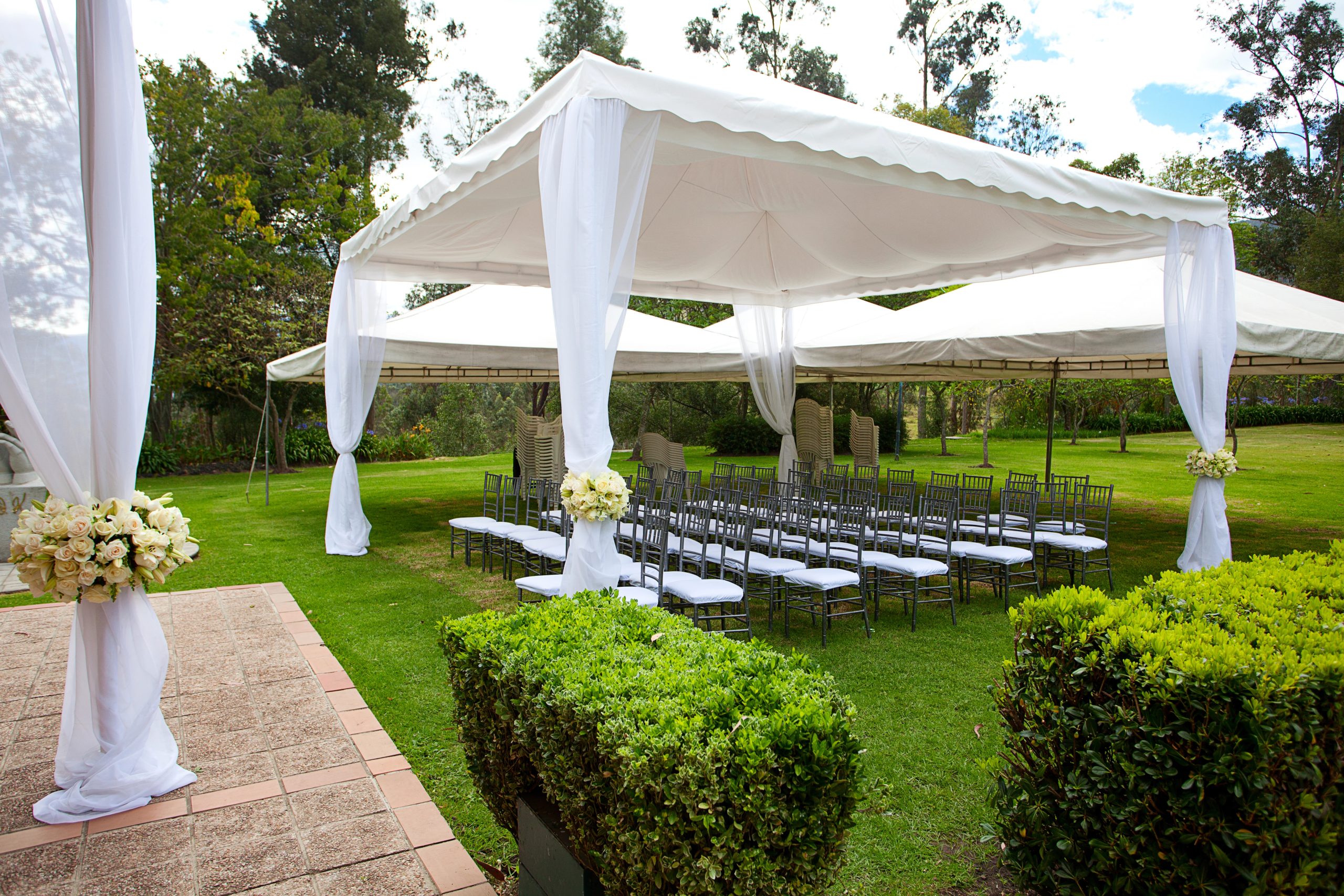
Tents and canopies create reliable shaded zones that allow people to cool down and relax. They also protect food, drinks, and seating from direct sun and light rain. Even when the forecast looks perfect, having covered areas provides peace of mind and keeps guests comfortable if conditions change.
In New England, where weather can shift quickly, planning for protection is less about pessimism and more about preparedness.
Layout and Flow Reduce Crowding and Fatigue
Crowded spaces are tiring. Guests feel warmer, move less freely, and grow frustrated when layouts force everyone into the same area.
Rental placement plays a major role in flow. When seating, food, drinks, and activities are spread out logically, guests circulate naturally instead of clustering in one spot. Clear pathways between tables and stations help people move without squeezing past chairs or waiting behind lines.
Good flow also reduces fatigue. Guests can sit, stand, move, and rest at their own pace, which keeps energy levels steady throughout the event.
Rentals That Support Temperature and Comfort
Beyond seating and shade, certain rental choices directly affect how guests handle heat and seasonal conditions.
Tents, Fans, and Airflow Planning
Tents alone provide shade, but airflow determines how cool the space actually feels. Open-sided tents allow breezes to pass through, while thoughtful placement prevents heat from building up under the canopy.
Fans positioned near seating areas or along tent edges help circulate air and reduce stagnant heat. You don’t need many—just enough to keep air moving where guests gather most.
Extra Tables for Drinks and Cooling Stations
Drink stations play a bigger role in comfort than many hosts realize. When beverages are easy to access, guests stay hydrated and cool down naturally.
Having multiple drink tables prevents crowding and keeps lines short. Adding space for ice tubs, water dispensers, or shaded refreshment areas helps guests regulate their comfort without needing to step away from the event.
Planning for Different Guest Needs
Most guest lists include a mix of ages, mobility levels, and comfort needs. Rental planning should account for that diversity.
Extra seating helps guests who need frequent breaks. Clear pathways support strollers, mobility aids, and easy navigation. Lower table heights and accessible seating areas make it easier for everyone to participate without strain.
Family-friendly events benefit from flexible seating and open layouts, while longer celebrations require more rest areas. For parties with younger children, kids folding picnic tables can create a dedicated spot for snacks, crafts, or games without crowding the main seating area.
Create a Comfortable Event With 603 Event Rentals
Guest comfort doesn’t happen by accident—it comes from planning rentals with intention. 603 Event Rentals helps homeowners across New Hampshire and Massachusetts choose the right tables, chairs, tents, and event essentials to create relaxed, well-organized outdoor gatherings.
With a flexible 5-day pickup model, you have time to set up thoughtfully, make adjustments, and host without rushing. When rentals are planned properly, guests stay longer, move comfortably, and enjoy the event the way it was meant to be experienced.