Avoid Event Mistakes with the Right Rentals

Even thoughtful hosts run into surprises. The upside is that many issues are preventable with smart rentals and a simple plan. Chairs, tables, tents, lighting, and clearly defined service stations support good event management by improving comfort, traffic flow, and timing. Below are common event planning problems and solutions that event planners and first-time hosts can use to keep the day smooth from setup to sendoff.
Not Having Enough Seating
A seat shortage frustrates guests and creates cluttered standing groups that block paths. Aim to match seating to the style of your gathering. For an open house, provide seats for about half to two thirds of the guest count, since people arrive in waves. For a seated meal or scheduled toast, plan one chair per person with a few extras for elders and late arrivals.
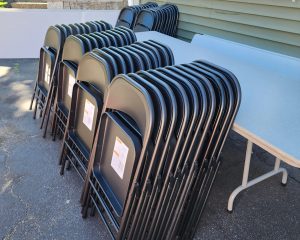
Folding chairs, lightweight benches, and compact lounge pieces scale quickly and move easily as the event schedule shifts. Event organizers often pair benches against a wall to save inches while keeping capacity. Rentals help you meet comfort needs without buying furniture you will use once, which protects event budgets.
Ignoring Guest Flow and Layout
Layout is the quiet engine of a well run party. Poor placement of tables and equipment creates bottlenecks, chokes sightlines, and makes a small room feel cramped. Start by mapping the path from the entrance to the welcome spot, then to seating, food, and activities. Keep that pathway clear and build everything else around it.
Overcrowded dining areas
Cramming too many tables into one zone limits movement and slows service. Use rectangular tables in compact rooms to create natural aisles. Leave gaps wide enough for two people to pass without turning sideways. When space is tight, mix table heights. A few cocktail tables let guests stand while others sit, which reduces the number of full dining tables you need. These small choices increase comfort and attendee engagement because people can move freely.
Congested entry points
Entrances and exits clog first. Keep a small landing zone by the door with a welcome sign and a gift table, and place the bar or dessert table away from that spot. If you need check-in or name tags, add a narrow side table so ready guests can keep moving. Strategic furniture placement guides traffic as effectively as stanchions and supports a calm start to the event.
Skimping on Weather Protection
Weather can undo a plan in minutes. Sun tires guests, wind scatters décor, and light rain can halt food service unless you have cover. Tents, canopies, and sidewalls keep events comfortable and on schedule. In warm months, shade structures protect people and food. In cooler seasons, sidewalls and heaters extend evening hours. Fans help move air under a tent on humid days, while simple string lights make dusk service safer and more inviting.
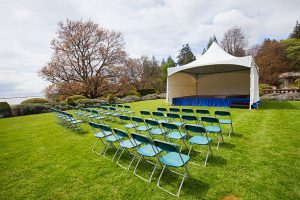
Think about shelter during venue selection, even for backyard events. Size the tent for your seated guest count and include space for a buffet or dessert table. Face tent openings away from prevailing wind and plan cord routes along the edges of walkways. Smart rentals turn an uncertain forecast into a manageable variable rather than a showstopper.
Forgetting Essential Service Areas
Missing or undersized service stations cause quiet frustration. Guests cannot find water, plates stack up, and trash overflows. Define service zones early and use rentals to make them obvious.
You will almost always need a beverage station, a buffet or serving line, a dessert or coffee area, and at least two trash and recycling points. Place the drink station away from the main food line to reduce congestion. Use a separate table for coffee so cups and condiments do not slow dessert service. Add a narrow side table next to the buffet for extra platters and a towel for quick spills. Clear labels on bins and a stash of extra liners help the team stay ahead of messes. These are simple event planning best practices that keep energy up and lines short.
Overlooking the Role of the Event Schedule
Even a casual party benefits from a light schedule. Without a plan, food comes out late, toasts collide with serving, and music levels fluctuate. Create a simple event schedule that lists key moments such as welcome, meal service, toast, cake, and last call. Share it with helpers and vendors so everyone works in sync.
Rentals support timing. Chafers and insulated carriers hold temperature until the cue to serve. A compact cocktail table can serve as the cake stand at dessert time, which avoids adding furniture mid-event. Extra chairs stacked nearby let you convert a mingling area into a seating cluster for speeches. Small timing details improve attendee engagement because guests know what is happening and never feel stuck.
Skipping a Final Walkthrough
Tiny problems hide in plain sight until guests arrive. A last walkthrough catches them while fixes are easy. Stand at the entrance and follow the guest journey. Is it obvious where to put gifts, find a drink, and sit down. Are cords taped down. Is there a clear route to the restrooms. Do tent stakes or furniture legs create trip points in low light.
Give yourself a short checklist and a few timed tasks so you do not rush the last hour. Test lights at dusk, run a 30-second mic or music check, and confirm that backup chairs, liners, lighters, and a cake server are where you expect. Event planners use simple calendars for event planning to schedule these touchpoints. Ten focused minutes can prevent the most common last-minute event challenges.
A Quick Note on Venue Selection and Budgets
The best rentals cannot fully overcome a mismatched location. During venue selection, consider power access, distance from parking to the setup area, restroom availability, sun and wind exposure, and noise. A site that shortens the carry from vehicle to layout saves hours if you plan to pick up rentals yourself. Factor these logistics into event budgets because a slightly higher site fee can lower costs for delivery, setup time, or extra equipment.
Good event management balances comfort, flow, and cost. Event organizers who evaluate a space with rentals in mind make better choices, spend smarter, and avoid preventable headaches.
Plan Your Event with the Right Rentals
Most event problems and solutions circle the same idea. Give people a comfortable place to sit, keep pathways open, protect them from the weather, and make food and drinks easy to find. Rentals translate that plan into reality. Chairs and benches set tone and capacity. Tables in the right sizes create aisles and efficient service lines. Tents, sidewalls, fans, and lights add comfort outdoors. Defined stations for beverages, buffet, and dessert keep the evening moving.
If you are hosting in or around Rindge, NH, 603 Event Rentals can help you solve these issues before they start. Choose from folding chairs, benches, cocktail tables, slim rectangular tables, tents with sidewalls, lighting, fans, and lawn games to round out the experience. The pickup model and 5-day rental period give you time to stage your layout, follow your event schedule, and return items without rushing. Whether you work with event planners or handle it yourself, browse options that match your guest count and space, then request a free quote to keep your next event smooth from the first welcome to the last thank you.